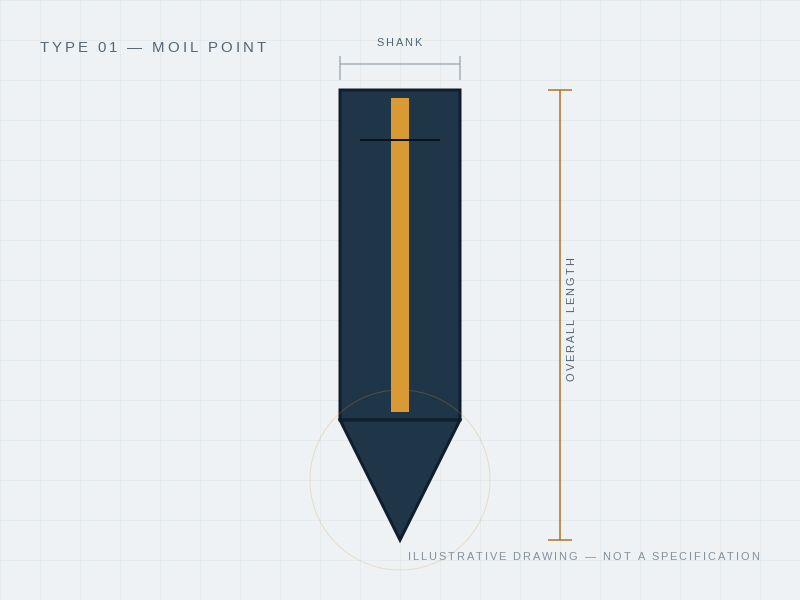
Chisel pattern 01
Moil Point Chisels
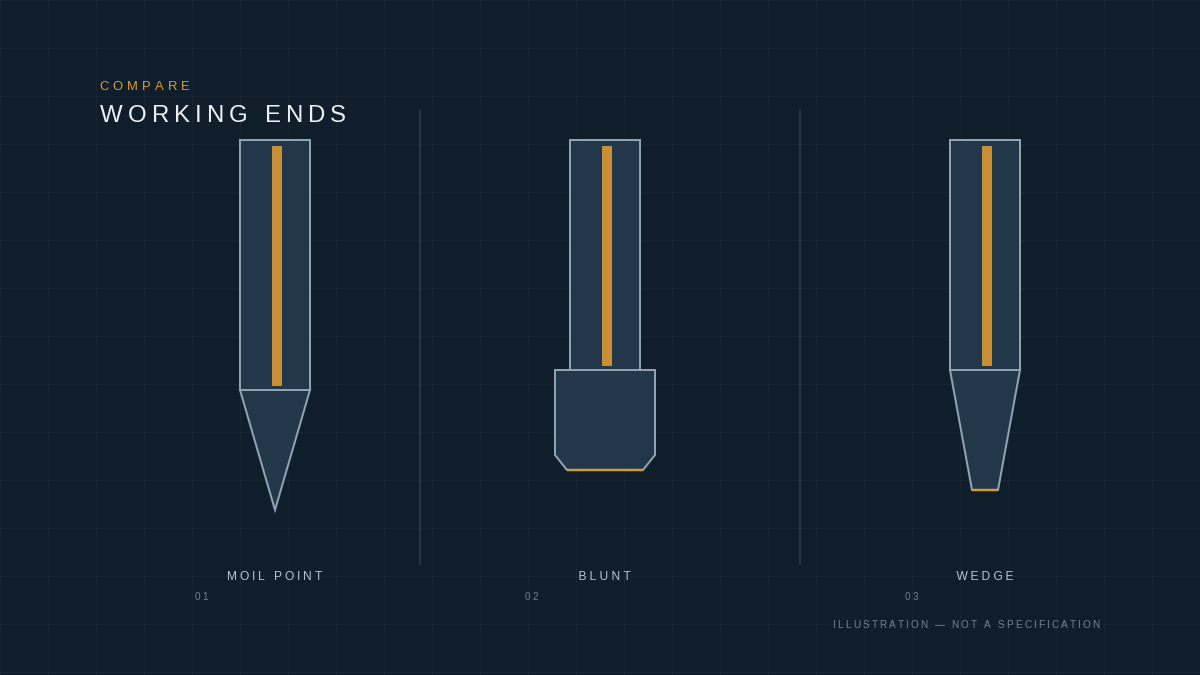
A pointed working end for concentrated penetration work, commonly requested for demolition, trenching and general breaking.
Hydraulic breaker chisels
Explore replacement chisel options for hydraulic breakers. Share your breaker model and requirements for a product compatibility review.
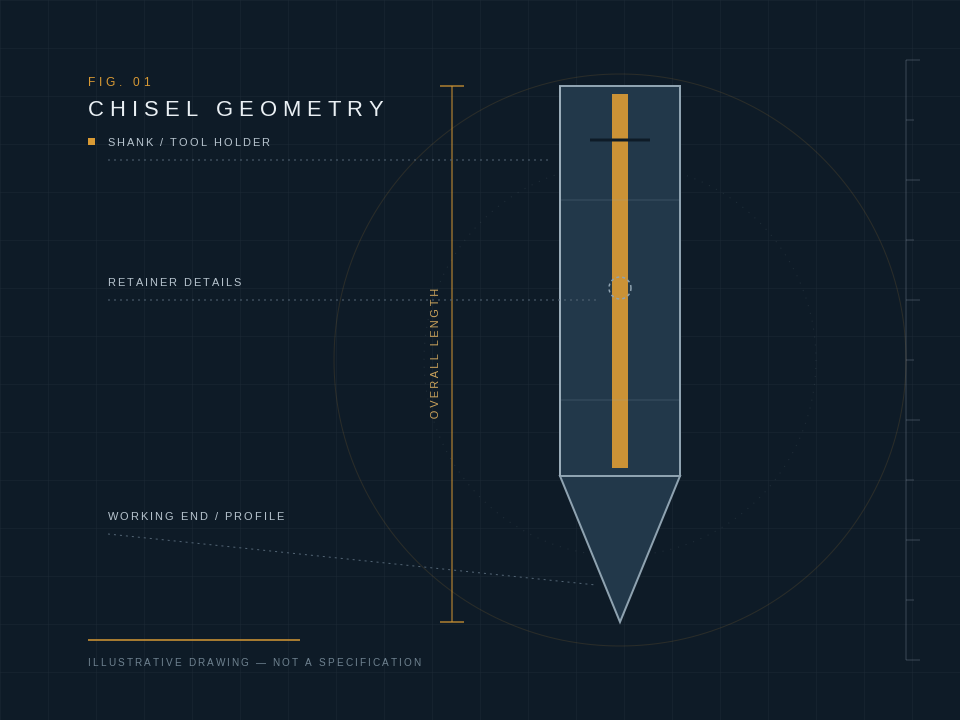
Five working-end patterns Confirmed per inquiry
Product range
Moil point, blunt, wedge, conical slotted and forged square. Every pattern is supplied as a replacement tool and checked against your breaker and application.
Chisel pattern 01
A pointed working end for concentrated penetration work, commonly requested for demolition, trenching and general breaking.
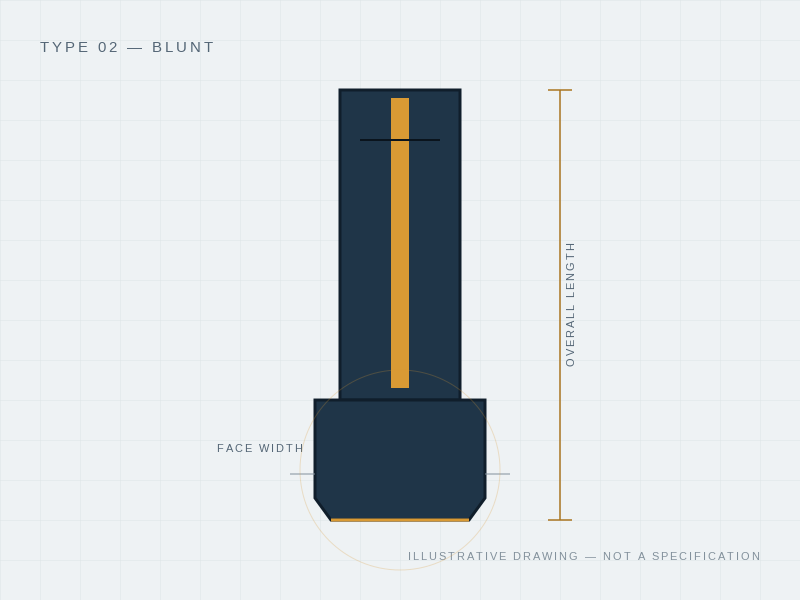
Chisel pattern 02
A flat, broad working face, often specified where a wider contact area is preferred over a point.
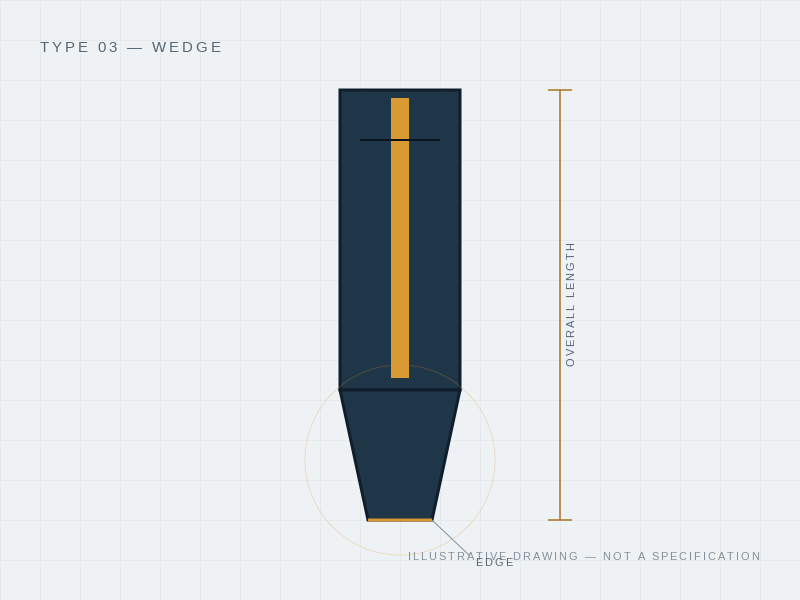
Chisel pattern 03
A chisel with a wedge-shaped cutting edge, frequently associated with rock and asphalt work.
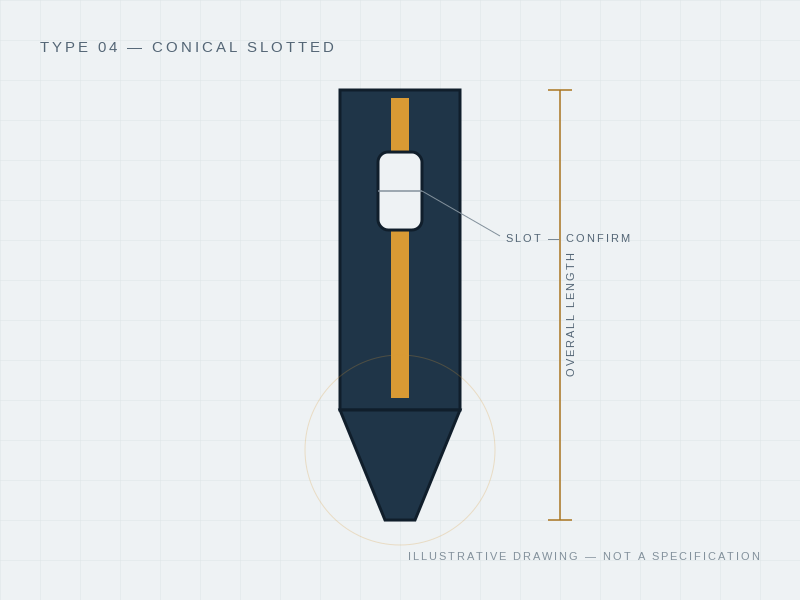
Chisel pattern 04
A conical working end with a slotted shank section, matched to the breaker’s retainer arrangement.
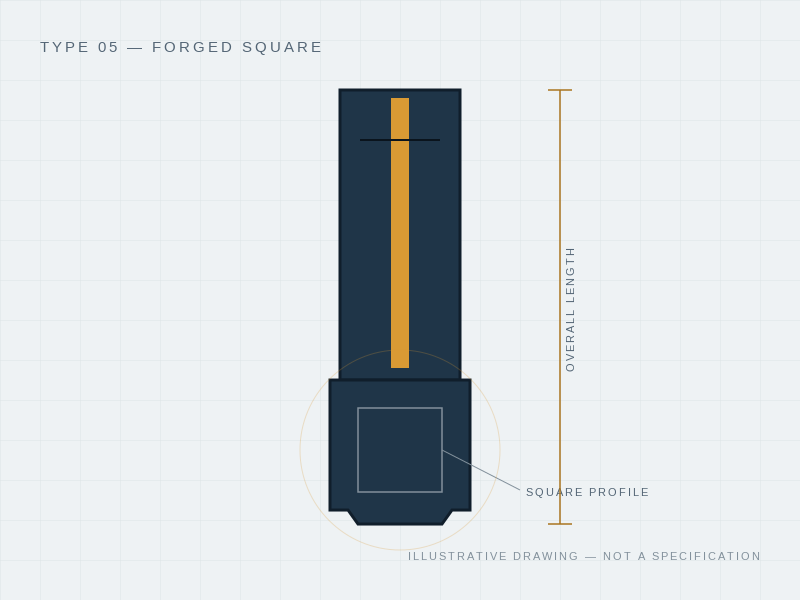
Chisel pattern 05
A square-profile chisel with a forged body, requested where a squared working form is specified.
Not sure which pattern fits? Send the breaker model and a photo of the existing tool — the review starts there.
Compare all patternsWhy RocMotive
The advantage is not a slogan. It is a narrower scope, a review that starts from your breaker, and a quotation that waits for the specification.
Hydraulic breaker chisels, not a general catalogue of attachments. The narrower range is the point.
Inquiries are reviewed against the breaker brand, model and tool details you provide — not against a generic price list.
We coordinate the confirmed requirement with manufacturing partners in China and stay your commercial contact.
Commercial terms follow the confirmed specification, so the quotation describes a tool that has actually been checked.
RocMotive is an independent sales and sourcing brand, not a manufacturer. We coordinate with manufacturing partners in China and remain your commercial contact.
More about how we workProcess
A short, deliberate sequence. Confirmation comes before commercial terms — a price for an unconfirmed tool is not a price you can rely on.
Breaker brand and model, tool dimensions, retainer details, application and photos of the existing tool.
We check the details against each other, flag inconsistencies and ask about anything that would change the match.
The working-end profile, shank interface, length, quantity and packing are confirmed for your inquiry.
Once the configuration is confirmed, commercial terms are prepared for the tool discussed.
This process is not a promise of a particular lead time or price until those terms are confirmed for your inquiry.
Applications
Common working contexts for hydraulic breakers. They are not certifications, and suitability still depends on the machine, material and conditions.
Demolition, trenching and site preparation work around concrete and masonry.
Secondary breaking and sizing tasks within quarry operations.
Breaking and material handling contexts where hydraulic breakers are used.
Structure removal and material reduction across demolition projects.
Every recommendation is confirmed against the specific breaker and application. We do not publish industry certification claims on this site.
Resources
Practical guidance on identifying a replacement chisel, comparing working ends and preparing an RFQ that a supplier can answer.
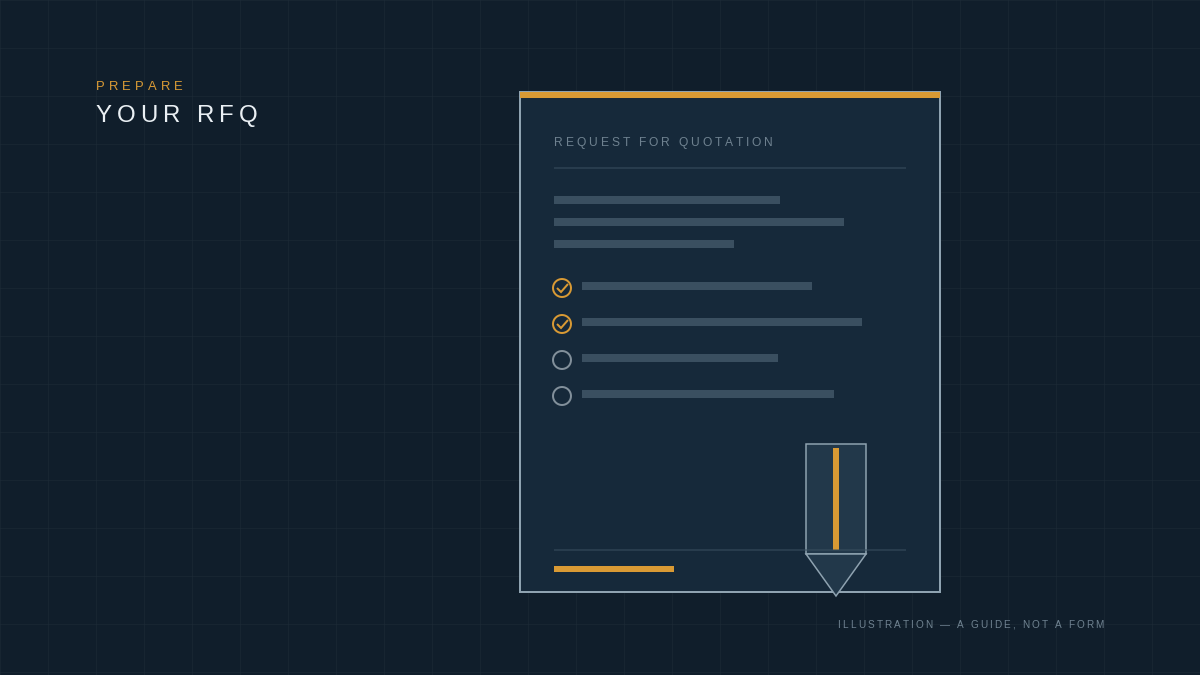 RFQ
A complete RFQ gets you a clearer answer. Here is the information a breaker chisel supplier needs, a template you can copy, and the questions worth asking back.
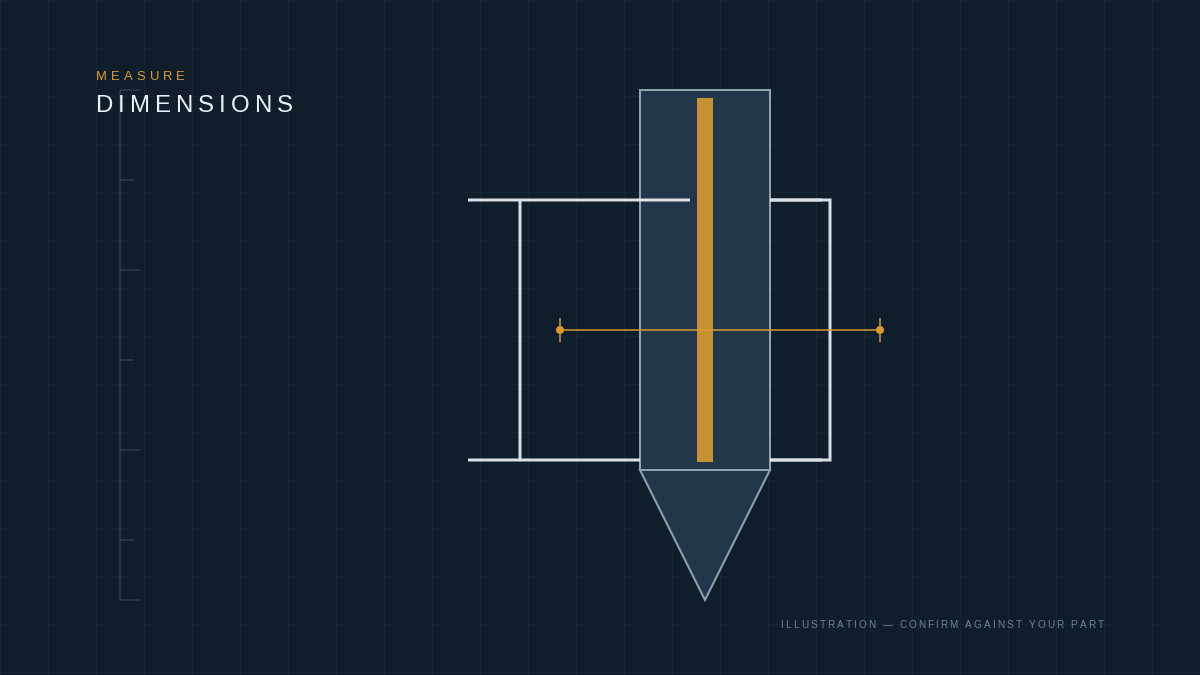 Buyer guide
A practical checklist for identifying a replacement breaker chisel — breaker details, tool measurements, shank and retainer checks, and the photos a supplier needs.
 Tool types
How moil point, blunt and wedge breaker chisels differ at the working end, what each is commonly requested for, and the questions to settle before choosing.
FAQ
If your question is not here, send it with the inquiry. Breaker-specific questions usually need breaker-specific details.
We review the breaker brand and model together with the tool dimensions, shank and retainer details you send. If something is missing, we ask for it before quoting. Final fit is confirmed against your breaker and the agreed specification.
No. Prices and order quantities depend on the confirmed specification and destination. They are provided for a specific inquiry once the tool details are clear.
Send photos of the existing tool next to a ruler, the breaker model and any markings on the breaker. We will tell you what is still needed. The identification guide covers the details that help most.
No. RocMotive is an independent B2B sales and sourcing channel. We work with manufacturing partners in China and coordinate the confirmed requirement with them.
Request a quote
Send the breaker brand, model and tool details you have. We review the configuration before any quotation is issued.